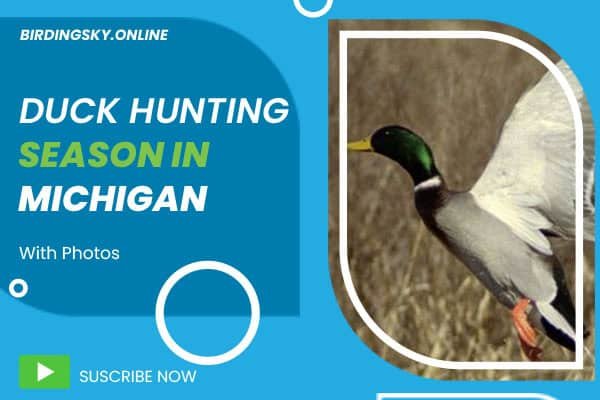
Duck hunting season in Michigan is a spectacle, with over four million ducks gracing our skies each fall. Our state’s lakes, rivers, and wetlands become a haven for hunters. As an enthusiast, I’ve researched the ins and outs of this sport here. The diverse habitats promise a fulfilling chase. Generous seasons await, offering ample time for the pursuit. It’s a thrilling dance with nature, and every hunter’s dream. Come, be part of the adventure.
Main Points:
- Michigan is a prime destination for duck hunting, with millions of ducks passing through during the fall migration.
- The state’s abundance of lakes, rivers, and wetlands provides ideal habitats for waterfowl.
- Michigan’s duck hunting season offers ample opportunities for hunters to enjoy their sport.
- Understanding the regulations and obtaining the necessary licenses are crucial for a successful and legal duck hunting experience.
- By scouting the best hunting spots and using the right gear and techniques, hunters can increase their chances of a successful hunt.
Michigan Duck Hunting Regulations
When preparing for duck hunting season in Michigan, it’s crucial to familiarize yourself with the specific regulations set by the Michigan Department of Natural Resources. These regulations are in place to ensure the safety of hunters, protect the wildlife population, and maintain the sustainability of the sport.
Hunting Seasons and Limits
The Michigan duck hunting season typically begins in early October and runs through late December. However, it’s important to note that the specific dates may vary each year, so it’s essential to consult the most recent regulations issued by the Michigan Department of Natural Resources.
The season is divided into distinct periods, known as seasons. During each season, there are limits on the number of ducks that a hunter can harvest, which are set to protect the population and prevent overhunting. The limits vary depending on the species of duck and sometimes change from one season to another. It’s essential to stay updated and comply with these limits to ensure sustainable and responsible hunting practices.
Shooting Hours
Michigan duck hunting regulations specify shooting hours during which hunters can actively pursue their targets. Shooting hours generally begin 30 minutes before sunrise and end at sunset. However, it’s crucial to note that there may be specific restrictions or exceptions for certain areas or periods, so it’s vital to check the regulations for any updates or changes.
Other Regulations
In addition to hunting seasons, limits, and shooting hours, Michigan duck hunting regulations cover various other aspects that hunters need to be aware of. These may include licensing requirements, hunting zones, identification and tagging of harvested ducks, and the use of specific equipment, such as decoys and blinds.
Remember, as a responsible hunter, it’s your duty to stay informed and comply with all the regulations to ensure the sustainable and ethical practice of duck hunting in Michigan. Ignorance of the regulations is not an excuse, and violations can result in penalties and the loss of hunting privileges.
Top Spots for Duck Hunting in Michigan

When it comes to duck hunting in Michigan, there are plenty of incredible spots that waterfowl enthusiasts can explore. Whether you’re a seasoned hunter or just starting out, Michigan offers a diverse range of locations for an exciting hunting experience.
Lakes and Rivers
One of the best places to find ducks in Michigan is along its lakes and rivers. With an abundance of freshwater bodies, these areas attract a wide variety of waterfowl species throughout the hunting season. Lake St. Clair, Lake Erie, and Saginaw Bay are known to provide excellent opportunities for duck hunting.
Wildlife Management Areas
Michigan’s wildlife management areas are specifically managed to provide habitat for various game species, including ducks. These areas are often home to marshes, wetlands, and flooded timber, making them perfect for waterfowl hunting. Some popular wildlife management areas for duck hunting in Michigan include Shiawassee River State Game Area, Fish Point State Wildlife Area, and Harsens Island Managed Waterfowl Area.